Recognizing the Basics of Organization Companies
A company company is a legally identified entity that operates independently of its owners and is made to conduct service, understand profit, and preserve legal and economic responsibility separate from its shareholders. The framework of a corporation supplies a number of benefits, including minimal liability defense, which indicates that investors are generally not directly in charge of the business debts and liabilities of the company. This is a key factor that sets apart a firm from collaborations or single proprietorships where individual possessions go to danger. Firms can enter contracts, own assets, sue and be filed a claim against, and undergo taxation. They have an unique collection of legal requirements to preserve their company status, consisting of holding normal conferences, keeping detailed documents, and declaring records with the federal government.
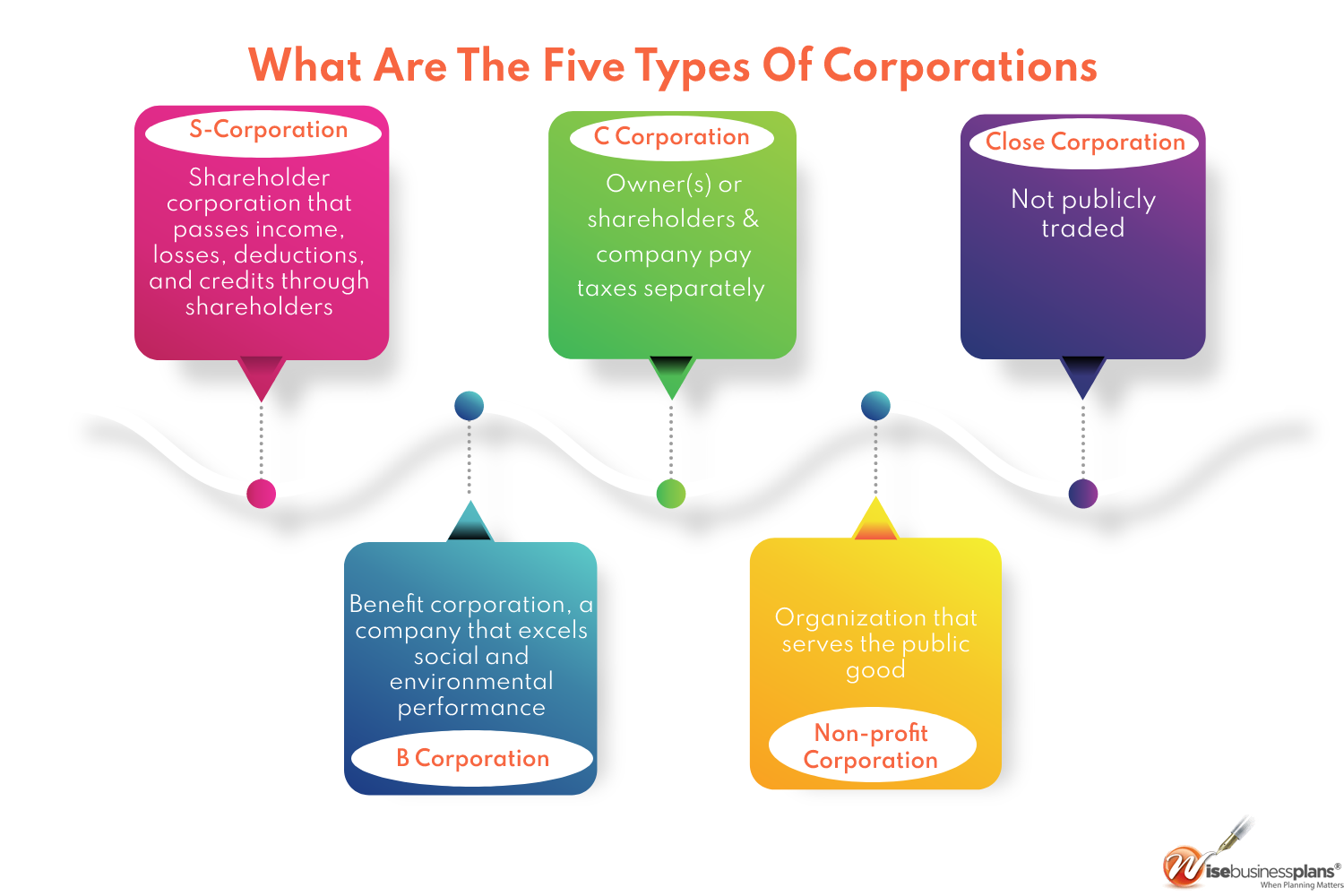
There are different sorts of business companies, mainly classified as C firms, S corporations, and charitable companies. C companies are the typical firm type and are taxed separately from their owners, while S companies permit revenues, and some losses, to be gone through straight to owners' individual revenue without going through corporate tax prices. Non-profit corporations, while also gaining from restricted obligation protection, operate without the purpose of revenue and are qualified for tax-exempt standing depending on their purpose and procedures. Comprehending the differences between these kinds of companies can be important for any person seeking to spend or begin a business in one. In addition, the procedure of forming a company involves numerous actions including picking a business name, submitting posts of consolidation, paying required fees, and conforming with all neighborhood, state, and government guidelines.
Comprehending the Framework and Function of Business Firms
An organization corporation, commonly simply referred to as a corporation, is a specific sort of legal entity that stands out from its proprietors in regards to lawful rights and liabilities. This splitting up gives a critical benefit— the restriction of personal obligation. Basically, investors of a corporation danger only their investment in the firm and are not directly responsible for the firm's commitments and debts. This core principle makes the business structure highly appealing to investors, as it limits their threat for their shareholdings while allowing the search of potentially high monetary returns. Companies are complicated entities that can possess home, get in into binding contracts, and be or take legal action against taken legal action against in their own right. They are produced by registering with a state authority and have to abide by numerous regulative compliances, including routine economic coverage, which ensures transparency and liability. The governance of a firm is commonly handled by a board of supervisors, chosen by the shareholders, that makes significant policy and financial choices. Supervisors select officers— such as a CHIEF EXECUTIVE OFFICER, CFO, and COO— who take care of the day-to-day procedures of the corporation, therefore establishing an ordered structure that promotes effective decision-making and functional control. Corporations can increase capital by providing shares of supply, which may be gotten and marketed by financiers on public exchanges, providing liquidity and the opportunity for growth. This ability to increase funds from the equity market is an unique benefit that typically fuels growth and advancement within the company sector.
Crucial Element of Corporate Structure and Administration
In the elaborate world of service, recognizing the framework of a company's structure and its administration is critical for anybody took part in the business industry. Firms, being intricate entities, have an in-depth structure that delineates functions and obligations across different degrees of administration and governance. At the structure of every corporation is the board of supervisors, an essential body that holds the authority to make major decisions and looks after the overall direction of the firm. Participants of the board are elected by investors and are in charge of appointing the senior administration group, including the President (CEO), that takes care of the everyday procedures of the business. The chief executive officer, together with various other elderly execs such as the Principal Financial Officer (CFO) and Principal Operating Police Officer (COO), creates the top echelon of company monitoring, guiding the calculated efforts and functional strategies of business. Listed below this top tier, there are numerous divisions and departments, each led by center managers that look after details areas such as advertising, money, human sources, and technology. These managers make certain that the company's tactical objectives align with functional tasks, and they play a vital function in applying business plans and accomplishing company goals. Additionally, corporate administration includes different techniques and policies that a company adopts to make reliable decisions, follow the regulation, and fulfill the needs of outside stakeholders. Reliable governance is promoted by maintaining transparency, responsibility, and clear interaction channels within the company. This framework not only helps in managing the company extra effectively but likewise help in mitigating dangers and guaranteeing compliance with ethical and legal requirements. Therefore, the design of a corporation is designed to ensure that all parts operate smoothly and cohesively, leading to the effective implementation of business methods and the enhancement of shareholder value.
Key Facets of Business Company Structure and Governance
Understanding the structure and governance of business firms is important for anybody took part in the company industry, whether they are investors, managers, or various other stakeholders. At the core of any type of business firm is its framework, typically defined by the firm's charter and bylaws, which lay out the duties and responsibilities of directors, investors, and police officers. These starting files are not simply formalities; they act as the foundation for operational and governance standards within the company. Directors, chosen by shareholders, hold the obligation of supervising the company's administration and ensuring that it follows its lawful obligations and critical goals. They are essential in making significant decisions such as approving yearly budget plans, establishing high-level policies, and choose and examining the efficiency of leading execs. Police officers, including the CEO, CFO, and COO, are entrusted with the everyday management of the company, executing the plans set by the board, and guiding the firm towards its objectives. Investors, while not involved in day-to-day procedures, hold the power to influence the corporation via ballot civil liberties on critical issues throughout unique or yearly meetings. This tripartite structure makes sure that a company firm preserves an equilibrium in between oversight and execution, with balances and checks integral to business administration that safeguard the interests of all stakeholders and promote a society of responsibility and transparency. visit this page governance devices are vital for maintaining investor confidence and can considerably affect the firm's ability to attract resources and sustain lasting development. A clear understanding of how service firms are structured and governed is indispensable for navigating the business world effectively.
Understanding the Framework and Function of Business Corporations
Company companies stand as one of the most common and significant forms of business entities in the worldwide market. These entities are legally distinct from their proprietors, offering them protection under the company shroud which shields individual possessions from business liabilities. This splitting up not only boosts financial investment attractiveness by alleviating private threats but additionally establishes a framework for elevating resources through the issuance of supplies. Corporations are structured through a power structure of governance, beginning with shareholders that possess shares and have the power to elect on substantial company decisions. These investors choose a board of supervisors that manage the company's wider tactical instructions and designate the execs in charge of day-to-day management. The functional tasks of firms are vast and can range from item development and marketing to research and economic monitoring, each customized to the corporation's certain market and market objectives. Furthermore, companies undergo strenuous governing settings which vary considerably from area to area, influencing every little thing from tax obligation responsibilities to functional openness. This complicated structure enables firms to operate a range and with an effectiveness that organization forms may have a hard time to attain, contributing significantly to their supremacy in the business globe.